Bloomfield River: a mining district remembered by families
State Library of Queensland’s 39-interview collection shows how mining, tin fields, pack routes, farms and family life can be preserved without reducing a district to a commodity map.
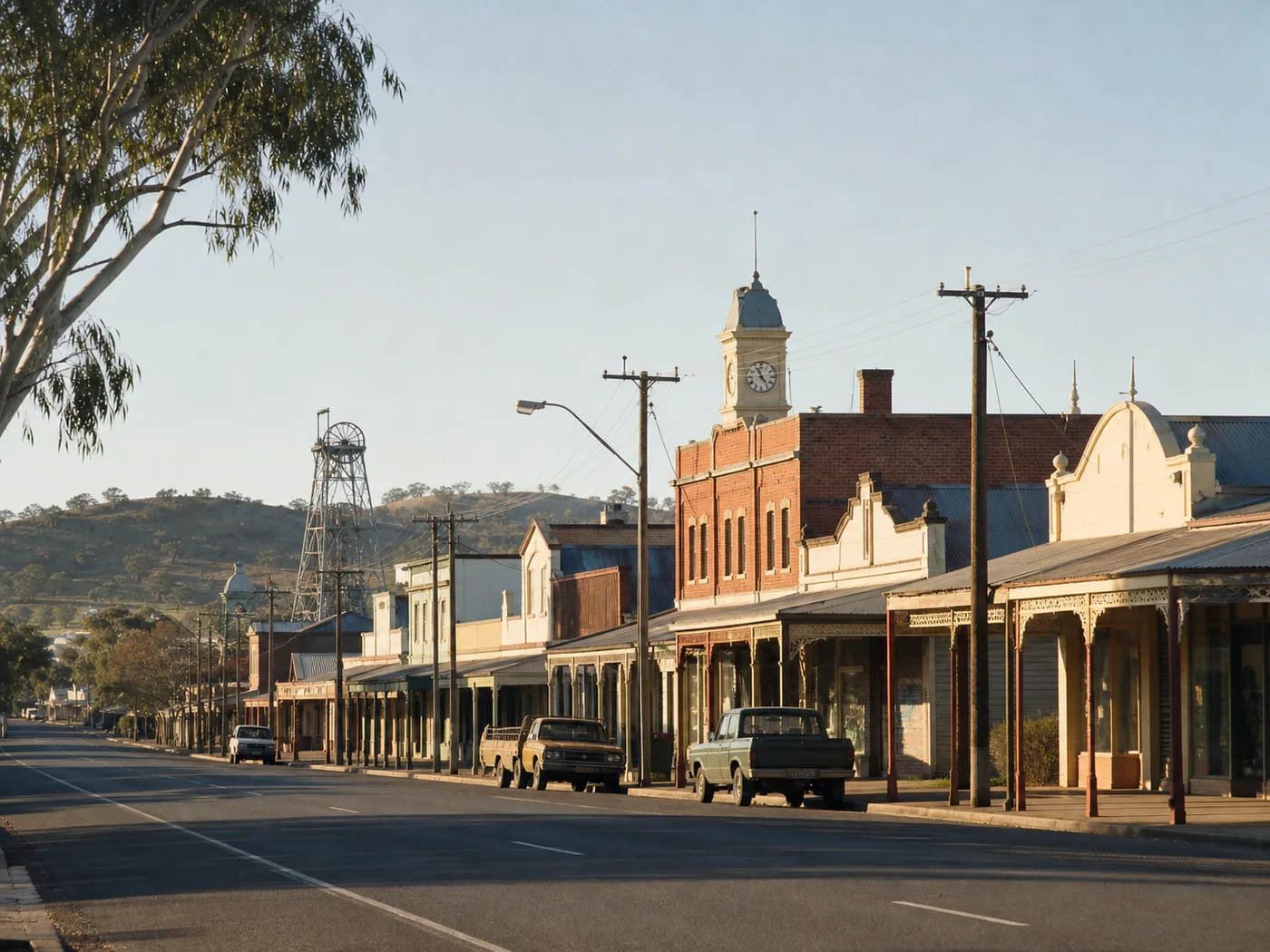
The Bloomfield River Oral History Project contains 39 interviews and photographs, including accounts connected to tin and gold, Rossville, China Camp, Shipton’s Flat and Mt Poverty. Its catalogue demonstrates the value of structured interviews, named interviewees, dates, access conditions and rights notes. New contributions should follow the same consent-first discipline.
A district is larger than its workings
The State Library of Queensland catalogue describes the Bloomfield River Oral History Project as 39 interviews conducted with Kuku Yalanji elders and non-Aboriginal settlers, accompanied by photographs. The catalogue summaries connect prospecting and tin mining with farming, timber, transport, stores, schools, family life and changing land relationships.
That breadth matters. An official mine dataset may locate an occurrence or title, but it will not explain who packed supplies to a field, how wet seasons changed work, which place names families used or how several livelihoods were combined. Oral history can preserve those relationships when the interview is documented and its limits are understood.
Catalogue detail makes memory retraceable
The collection record names interviewees, interview dates, formats, access conditions, copyright status and brief scope notes. Some recordings are digitally available; others are not. These fields are not administrative clutter. They tell a future researcher what exists, what may be heard, and what permission is still required for reuse.
A family recording kept on a phone can begin with the same minimum record: interviewee’s preferred name, interviewer, date and place, subjects discussed, recording format, consent status and any access restriction. Keep the unedited original, a working copy and a written log. Do not post the recording publicly merely because the interviewee agreed to be recorded.
First Nations histories require community authority
The Bloomfield catalogue includes First Nations interviewees and histories. A public catalogue entry is not a licence to detach cultural knowledge from its community, republish sensitive content or treat one speaker as authorising a new project. Cultural authority, community protocols, copyright, privacy and the wishes recorded with the item all matter.
Mines & Quarries will hold submissions involving cultural knowledge, sacred places, unverified family connection or sensitive records for appropriate review. The site can point to the official collection and invite a properly authorised contribution; it will not turn restricted or culturally sensitive material into search content.
Ask questions that produce evidence, not performance
Useful prompts begin with what a person directly experienced: where they lived, how they travelled, what a shift or season looked like, the names used for equipment and places, and which documents or photographs remain. Ask how they know a story and whether another person or record could confirm it. Avoid pushing for a dramatic discovery story.
After the interview, return the names, dates and place spellings to the interviewee for checking. Mark recollection separately from public record. Provide the agreed copy or transcript and record any later restriction. That care is what makes a contribution worth preserving.
Could your family add the missing line?
Did your family live or work around Rossville, Bloomfield, China Camp, Shipton’s Flat, Mt Poverty or the pack routes between them?
Send a description, the source or catalogue reference you already have, and what you believe it changes. Nothing is automatically published. Do not send original physical material.
Share a note or source →Before you contribute
Can I record a relative on my phone?
Yes, but agree on purpose, access, credit and future use before recording, then keep an unedited master file.
Does consent to record mean consent to publish?
No. Recording, archiving, quoting and online publication are separate permissions.
Can Mines & Quarries publish First Nations cultural knowledge?
Only with appropriate community authority, rights and review; sensitive submissions are held rather than automatically published.
What if the speaker is unsure of a date?
Preserve the uncertainty and test the recollection against public records instead of silently choosing a date.
- [1]State Library of Queensland — Bloomfield River Oral History Project and photographs
- [2]Oral History Australia — Guidelines for ethical practice
- [3]AIATSIS — Ethical research
This article summarises public sources and identifies research gaps. It does not claim a relationship with the named families, repositories or interviewees, and it does not reproduce restricted collection material.