Australian mines · quarries · supply · historyRegister snapshot: 29 August 2026Data & source notes
Mines & QuarriesTHE AUSTRALIAN WORKING REGISTER
The family records desk

A name in the margin can put a whole district back on the map.

These are real, public source trails—not invented pioneer stories. Each file shows what an archive already establishes, what remains missing, and the smallest useful thing a family, former worker or local researcher could add.

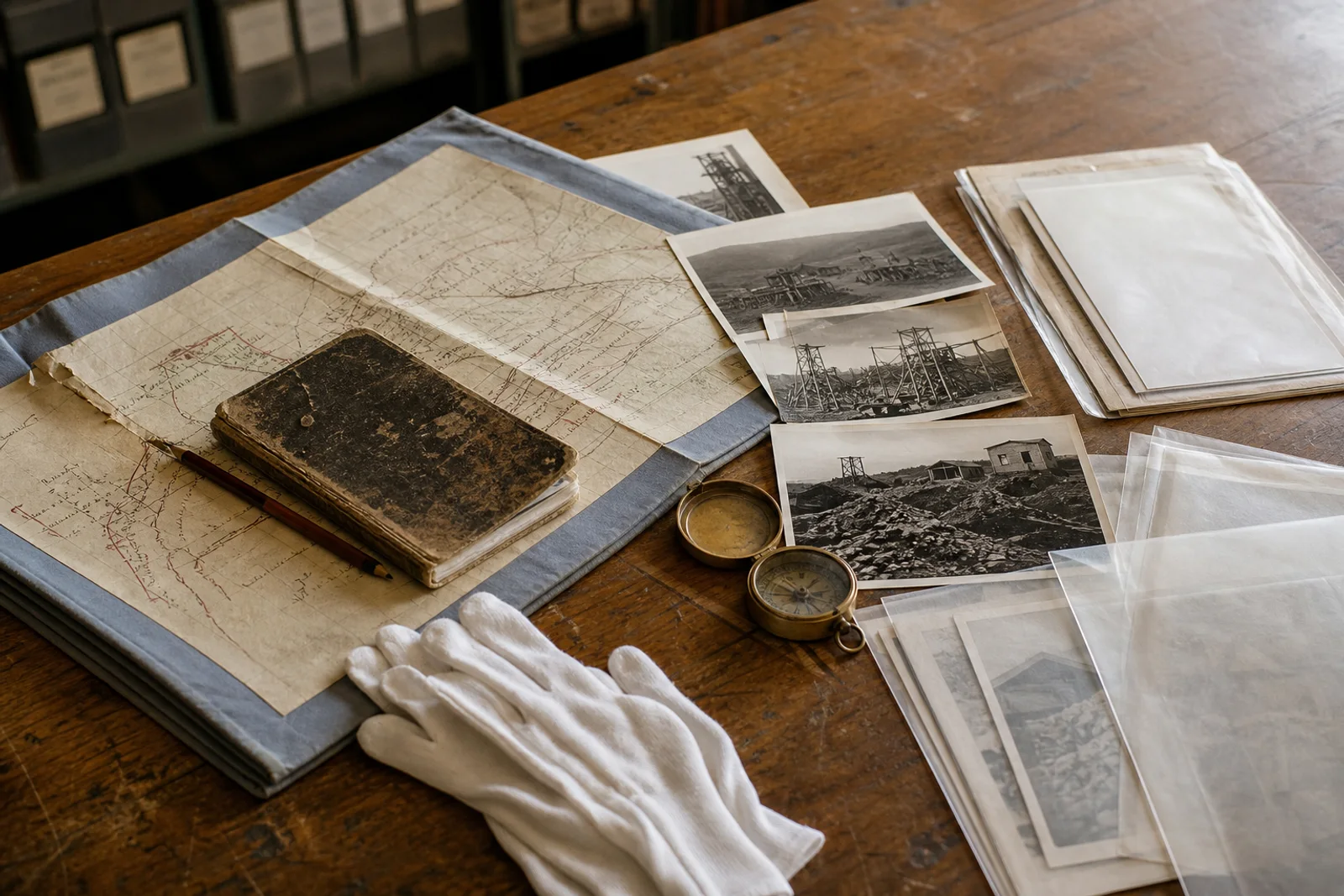
Gloved hands cataloguing family photographs, a mining notebook and a hand-drawn plan
Start with a description and provenance. Do not send original material. Rights, privacy, credit and any access restriction are agreed before publication.
6source-led family files4states in this first desk0invented or backdated stories31 August 2026desk review
You do not need to be an author

Five things that can change a public record.

  1. 01A name and a place with an approximate date and how the family knows the connection.
  2. 02A photograph caption, including the writing on the reverse and who made the identification.
  3. 03A notebook or pay-book description with names, company, working, dates and the current custodian.
  4. 04A recorded recollection with interview date, consent, access conditions and what is direct experience.
  5. 05A correction to a public article, map, spelling, occupation, date or relationship—with the source that supports it.

Open family and working-life files

6 research trails
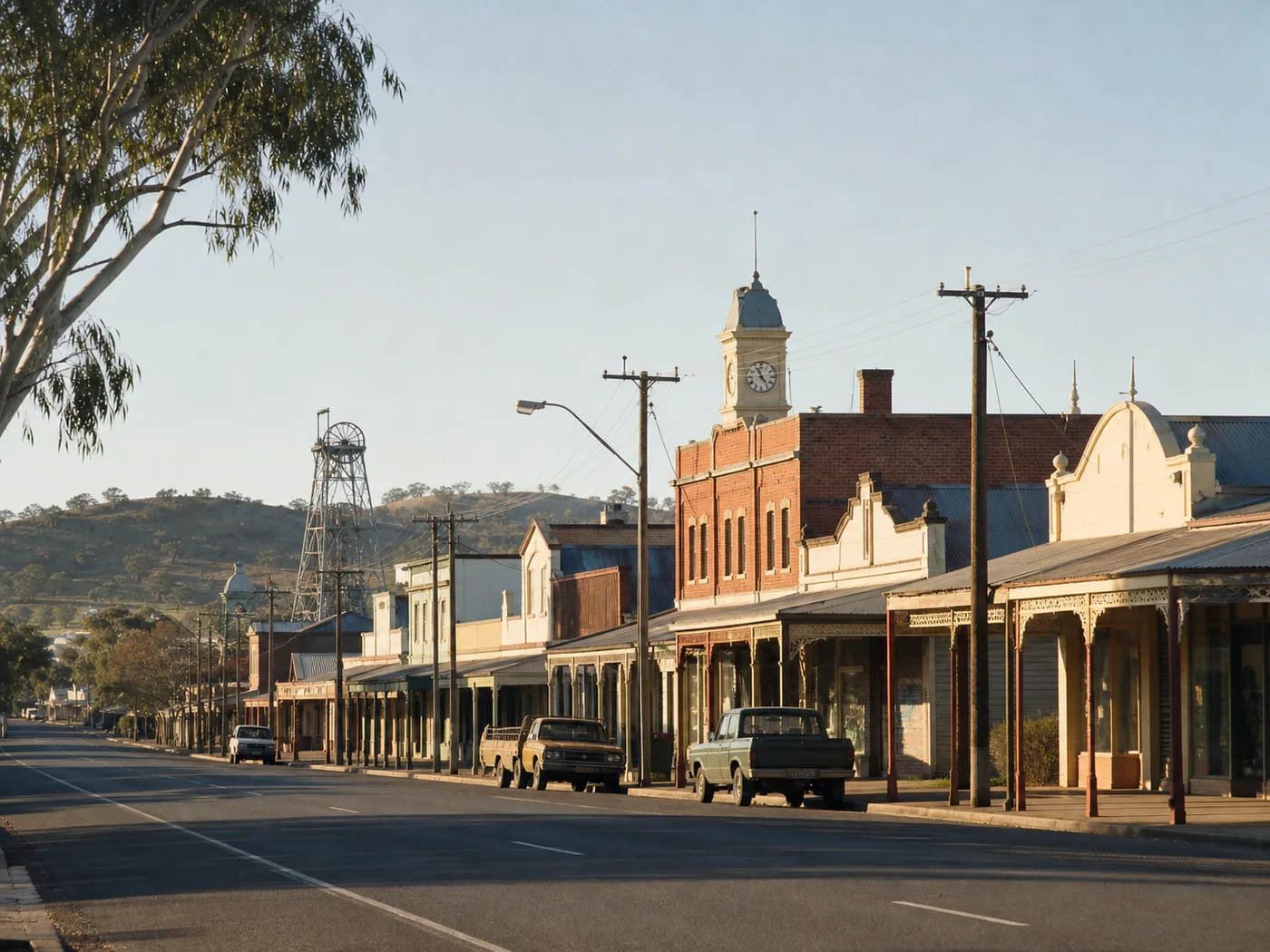
An Australian mining town street with historic buildings and mine infrastructure in the distance
VIC · Ballarat / St Arnaud / Bendigo

The Stainer family: when a miner disappears from the mining records

A public-archive case study shows why a goldfields family must sometimes be followed through births, occupations, insolvency and welfare records rather than a single mine register.

1850s–1890s · Civil, insolvency and institutional records
What could unlock the next record

Does your family story move from a goldfield to a shop, farm, transport business, hospital, asylum or another town?

Open the source trail →I can add something →
Gloved hands arranging family photographs, notebooks and a historic plan for cataloguing
VIC · Springdallah / Piggoreet

Springdallah: what several family collections can reveal together

A study of a small Victorian goldfield shows how certificates, land records and material held by local families can reconstruct a whole community rather than a parade of famous names.

1850s–1940s · Linked family and locality records
What could unlock the next record

Do you hold certificates, school names, property references or photographs from Springdallah, Piggoreet, Smythesdale or another small field?

Open the source trail →I can add something →
A regional Australian mining settlement in a rugged landscape
QLD · Bloomfield River / Rossville / China Camp

Bloomfield River: a mining district remembered by families

State Library of Queensland’s 39-interview collection shows how mining, tin fields, pack routes, farms and family life can be preserved without reducing a district to a commodity map.

1880s–1990s memories · Oral histories and photographs
What could unlock the next record

Did your family live or work around Rossville, Bloomfield, China Camp, Shipton’s Flat, Mt Poverty or the pack routes between them?

Open the source trail →I can add something →
Historic family photographs, a notebook and a plan being arranged for archival description
WA · Gwalia / Leonora

Gwalia: family and working life beyond the famous mine

A Western Australian oral-history project preserves houses, occupations, migration, women’s work and underground life around Sons of Gwalia—and models the consent record every new interview needs.

1890s–1990s memories · Oral-history archive
What could unlock the next record

Do you hold a Gwalia house photograph, work record, union paper, recipe, shop account, school name or story about the move after closure?

Open the source trail →I can add something →
A historic regional mining settlement framed by a rugged landscape
TAS · Tasmanian mining districts

Tasmania: how to reconnect a worker’s name to a mine or district

A practical trail through the Tasmanian Names Index, directories, public archives and Mineral Resources Tasmania when a family knows a person but not the exact working.

1800s–present · Names index, directories and geoscience library
What could unlock the next record

Do you know a Tasmanian worker’s name, nickname, town or employer but not the mine? One pay slip, directory entry or labelled portrait may resolve the link.

Open the source trail →I can add something →
A fair record, not a content grab

Your family keeps ownership and chooses the credit.

Describe first. A few lines and a public catalogue link are enough to begin. Do not post original files or sensitive personal details into a public page.

Agree before use. Ownership, permitted use, public display, credit or anonymity and access restrictions are documented.

Separate evidence. Public records, professional interpretation and recollection remain visibly distinct.

Return value. Accepted collections receive an organised source trail or inventory, not a vague promise of “exposure”.

Start with what you know →